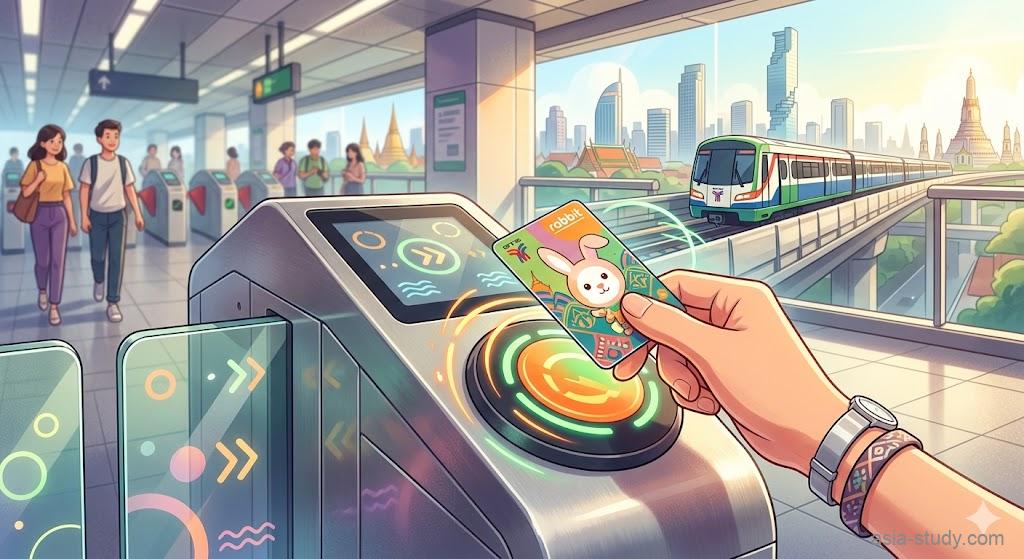
Hello, Sawasdee khrap! I am TKJ. When it comes to getting around Bangkok, the elevated BTS Skytrain is an indispensable asset. While it lets you effortlessly glide over the city’s notorious traffic gridlocks, first-time riders often hit two frustrating bottlenecks: ticket machines that only accept coins, and massive ticket queues during peak hours.
In this guide, I will break down essential BTS navigation strategies along with the must-have contactless travel tool—the Rabbit Card—incorporating official operational rules and field-tested advice from my journeys. Let us dive in.
- Network Structure of the Bangkok BTS Skytrain
- Skip Queues and Coin Traps: Key Advantages of the Rabbit Card
- Paid Area Time Limits and Official Penalties
- The Credit Card Tap-and-Go Myth on the BTS
- Purchasing and Topping Up Your Rabbit Card
- Gate Tapping Etiquette and Troubleshooting
- Master Bangkok: Essential Transit & Neighborhood Guides
Network Structure of the Bangkok BTS Skytrain
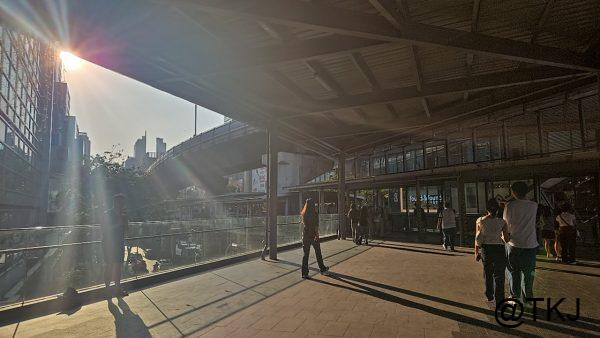
The BTS operates across two primary arterial routes: the Sukhumvit Line and the Silom Line. Extensive outward expansions toward Samut Prakan (near the Erawan Museum and Ancient City) have made reaching outer cultural landmarks faster than ever.
While the air-conditioned train carriages offer welcome respite from tropical humidity, travelers should remain aware of rush-hour crowding and the classic trap of legacy ticketing machines that accept metal coins exclusively.
Skip Queues and Coin Traps: Key Advantages of the Rabbit Card
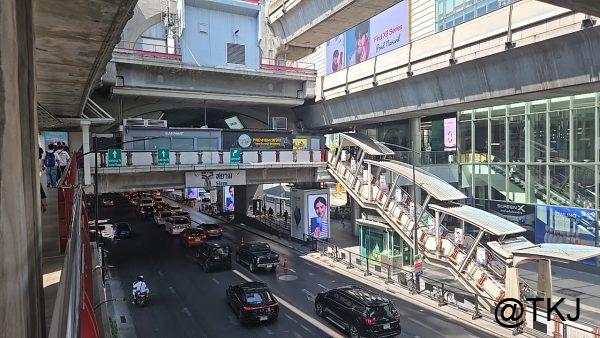
Queueing at staffed change counters simply to get 5- and 10-baht coins, only to wait in another line for single-journey ticket machines, consumes valuable sightseeing hours. The most efficient countermeasure is obtaining a stored-value Rabbit Card—Bangkok’s equivalent to London’s Oyster, Hong Kong’s Octopus, or Tokyo’s Suica. Having one allows you to tap in and out at automatic fare gates in a split second.
Primary Benefits of the Rabbit Card
- Bypass ticketing machine lines entirely (substantial time savings)
- Prevent loose change from accumulating in your pockets and wallet
- Pay seamlessly at partner retail outlets, cafes, and drugstores (including Matsumoto Kiyoshi)
One essential distinction to remember: the Rabbit Card does not work on the underground MRT network. Treat it as your dedicated transit pass for the elevated BTS lines.
Rabbit Card Categories and Age Eligibility

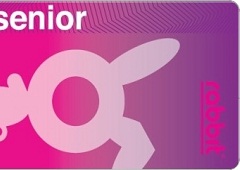
Rabbit Cards are classified into three official categories based on user eligibility. According to official guidelines, international travelers almost universally fall under the Adult tier:
| Card Type | Eligibility & Conditions |
|---|---|
| Adult | Available to all passengers aged 23 to 59. Can be purchased at every BTS ticket office. |
| Student | Full-time students aged 23 and under enrolled in recognized educational institutions in Thailand or approved foreign academies. |
| Senior | Thai citizens aged 60 and above with valid national identification. |
Source Official BTS Rabbit Card Information
Paid Area Time Limits and Official Penalties
To ensure smooth system operations, the transit authority enforces specific operational rules within paid platform areas:
300-Minute Maximum Stay Limit
Passengers are permitted to remain inside the fare-paid zone for a maximum of 300 minutes. Exceeding this duration triggers an overstay penalty equivalent to the maximum single-journey fare on the network. If your transit takes unusually long, consult a station agent at the ticket office before exiting.
Penalties for Unauthorized Use
Using concession cards (such as Student or Senior editions) without valid credentials results in immediate card confiscation, forfeiture of all remaining stored funds, and a fine up to 20 times the maximum fare.
The Credit Card Tap-and-Go Myth on the BTS
A frequent piece of advice shared among international visitors is: “You do not need a transit card in Bangkok because credit cards work at the turnstiles.”
This is one of the most common transit misconceptions in the city.
Direct contactless payments via Visa or Mastercard (EMV contactless) are accepted on the underground MRT Blue and Yellow lines, as well as the SRT Red Line suburban trains. However, BTS Skytrain fare gates do not accept foreign credit or debit cards directly at turnstiles.
Travelers who successfully used credit cards either rode the MRT or purchased tickets at staffed BTS counters. To tap through BTS turnstiles without queueing, the Rabbit Card remains the definitive solution.
Purchasing and Topping Up Your Rabbit Card
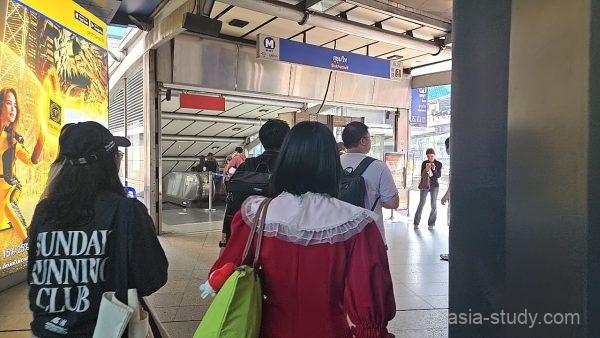
You can purchase a Rabbit Card at any staffed BTS ticket office across Bangkok by following these steps:
- Approach the ticket counter and pay the 100 THB card issuance fee (this is non-refundable; there is no deposit).
- Present your physical passport for legal identity registration as required by Thai regulatory standards.
- Select your initial top-up value and pay the teller.
To begin using transit immediately after clearing customs, pre-ordering a voucher via travel platforms like Klook for pickup at Suvarnabhumi Airport is a smooth alternative.
How to Add Stored Value
Stored funds can be added in increments of 100 THB up to a balance ceiling of 4,000 THB. Handing cash to the ticket counter clerk and requesting a top-up is the simplest approach, though digital avenues are also available:
- Ticket Offices and Kiosks: Available at all BTS stations, MRT Yellow and Pink monorail interchanges, and BRT stations.
- My Rabbit App: Download the mobile application and tap the physical card against your smartphone’s NFC sensor to check balances and add funds.
- LINE Pay Integration: Link the card via the LINE Wallet interface for digital balance management (requires initial activation at a station desk).
Stored value remains valid for two full years from the date of your last financial transaction. Any subsequent top-up or fare tap automatically extends validity for another two years.
Gate Tapping Etiquette and Troubleshooting
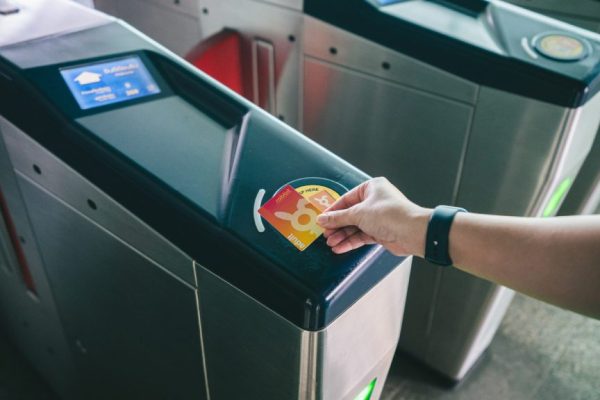
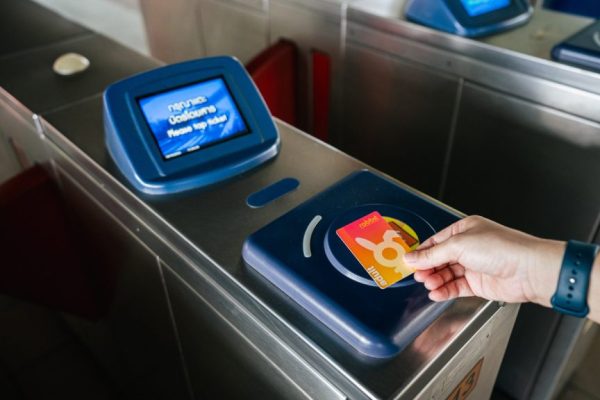
Using the automated turnstiles is straightforward: tap the card firmly against the yellow reader pad at your entrance gate, wait for the green indicator chime, and repeat the process when exiting at your destination. Each rider must use an individual card. If you run into any of the following issues, step over to the staffed ticket office:
- The turnstile sensor fails to read the card chip.
- The physical card is damaged or misplaced.
- You have exceeded the 300-minute in-station time limit.
Source Official BTS Rabbit Card Guide
Essential BTS Rabbit Card Takeaways
- Essential Gear: Pick up an Adult Rabbit Card on your first day in Bangkok (100 THB issuance fee).
- Balance Policy: Funds stay active for 2 years; convenient top-ups are available via counter, NFC app, or LINE Pay.
- Operational Rules: Carry your passport for initial setup and observe the 300-minute maximum platform stay.
Navigating Bangkok with frictionless rail transit removes transit stress entirely, leaving you with more time and energy to enjoy the city’s sights and street food.
Master Bangkok: Essential Transit & Neighborhood Guides

Once your Rabbit Card is set up, pairing rail lines with ride-hailing tools like Grab and Bolt and mapping key districts will ensure seamless travel. Explore our companion directories below for district itineraries, transit comparisons, and dining guides across the capital.



コメント